
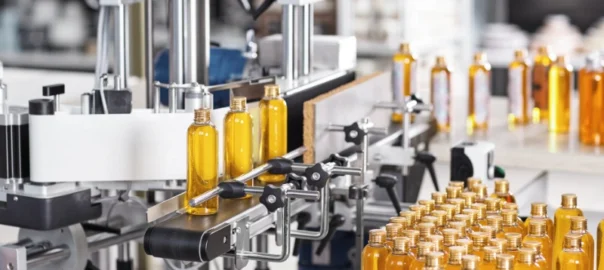
If you are thinking of beginning a pharmaceutical business and are curious about third-party manufacturing in India, then you’ve come to the right place. This is one of the most frequent questions that new entrepreneurs in the pharma industry ask. Under third-party manufacturing, companies can introduce a reliable medicine without establishing their own manufacturing unit. This setup is very convenient for many startups and established brands, as it cuts down on investment, time, and operations. This guide will provide you with all the details about the procedure, documents, and things you should be aware of when dealing with 3rd party pharma manufacturing companies for the first time.
What Is 3rd Party Pharma Manufacturing?
Third-party pharma manufacturing is a business model where the company manufactures medicines for other companies under its own name. During the manufacturing process, the company adheres to the approved quality standards and regulatory requirements.
Production, packaging, quality testing, and delivery, in accordance with agreed specifications, are handled by a reliable 3rd party pharma manufacturer. This way, businesses can dedicate their efforts to branding, sales, and marketing rather than constructing their own manufacturing center.
Why Businesses Choose Third Party Manufacturing?
Many companies opt for third-party manufacturing to reduce the cost of getting into the pharmaceutical industry. Establishing a manufacturing plant involves significant investments, governmental clearance, equipment, and proper workers.
Having a 3rd party manufacturer of pharma services is advantageous for businesses to get started sooner. The companies also have known manufacturing systems and quality control systems.
Step-by-Step Process of 3rd Party Pharma Manufacturing
Understanding each stage of the manufacturing process helps businesses plan better and avoid unnecessary delays. Following the correct process also ensures smooth production, regulatory compliance, and timely product delivery.
1. Selecting the Right Manufacturing Partner
The first step is choosing a trusted manufacturing company. Prior to making a selection, companies need to assess manufacturing facilities, certificates, manufacturing capacity, and product quality.
The third-party, well-established pharma manufacturing companies are usually able to offer you a wide range of formulations and manufacturing support.
2. Finalizing Products
Both parties agree on the manufacturer and the products that the manufacturer will produce. This section refers to the composition of the product, dosage form, packaging, packaging label, and product quantity.
The specifications for the product should remain clear throughout the production process.
3. Signing the Manufacturing Agreement
A manufacturing contract is signed between the two companies. A manufacturing contract is signed between the two companies. The purpose of this document is to define production responsibilities, pricing, delivery schedules, payment terms, confidentiality, and quality expectations. This is because a written agreement will shield both parties during the business relationship.
4. Product Manufacturing
When approved, production starts with raw material procurement and continues until the approved quality standards are met. Standard operating procedures and regulatory guidelines are followed for each production stage.
The 3rd-party pharma manufacturer also conducts quality checks prior to releasing finished products.
5. Packaging and Delivery
Products are packed after production and quality tests, based on approved artwork and labelling requirements. The products made are then sent to the client for distribution.
Essential Documents Required
Documentation is required prior to manufacturing. These documents are critical to guaranteeing that businesses operate smoothly and that they comply with regulations.
The first condition is having a valid drug license from the concerned authority. A GST registration certificate is also required for businesses to operate.
The company registration documents form the legal identity of the business. Both companies have signed a manufacturing agreement.
Details of product composition and packaging artworks are also provided prior to production. If products are sold under a registered brand name, trademark authorisation may be necessary.
Depending on the product type and government requirements, other declarations and regulatory documents may be required in some instances.
Importance of Quality Compliance
Quality is still a key element in the pharmaceutical industry. Good manufacturing practices must be followed, and regulatory requirements must be adhered to by the manufacturer during manufacturing.
A reliable 3rd party manufacturer of pharma services maintains proper documentation, quality testing, hygiene, and batch records. Such measures help maintain product consistency and patient safety.
For any business looking to choose a manufacturing partner, it is always important to check certifications and compliance records before making the decision.
Common Mistakes Beginners Should Avoid
Many new companies only look for manufacturers based on price. This choice may bring about quality and supply problems later.
One frequent error is a lack of checking manufacturing certifications and regulatory approvals. Businesses should also check the production capacity before placing large orders.
Lack of documentation can result in manufacturing delays and product delays. Careful reading of agreements and product specifications avoids misunderstandings.
First-time entrepreneurs can benefit from working with experienced third-party pharma manufacturing companies that help them steer clear of many of these common issues.
How to Choose the Right Manufacturing Partner?
It is important to evaluate the manufacturing partner carefully. Examine the company’s manufacturing expertise, certifications, infrastructure, quality systems, and customer support.
It is important that an experienced 3rd-party pharma manufacturer is clear in communication, has an efficient production schedule, and has clear and comprehensive documentation.
Quality, reliability, and product consistency are important for establishing long-term business relationships.
Conclusion
The third-party pharma manufacturing market offers a convenient solution for companies to penetrate the pharmaceutical industry with relatively low investment and quick product release. It is crucial to understand the manufacturing process, prepare all the necessary documentation, and engage the 3rd party pharma manufacturer to ensure long-lasting success. Torainse Lifecare can provide businesses with reliable manufacturing solutions.